Chef Celinda Norton reinvents a coastal Italian classic.

The Restaurant: “We don’t have any specials tonight because you are looking at our ‘fresh sheet,’” Lindsey Norton quipped about the menu I was poring over at Cafe Parco, Madison Park’s latest addition.
As Lindsey ran the floor of the miniature bistro with nearly all 10 tables full, her mother, Chef/Owner Celinda Norton, was getting her groove on in the kitchen, mouthing along to the radio as she single-handedly fashioned the Italian-inspired dishes she became known (and cherished) for at 94 Stewart, her Pike Place Market diner that closed last July.
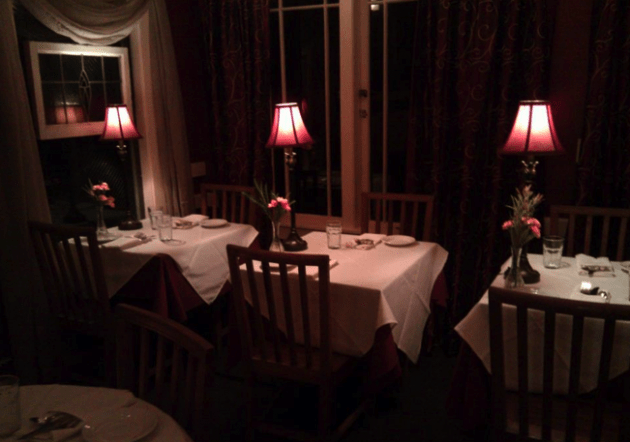
Following some favorable reviews when its doors opened last month, Cafe Parco has been bustling. The walls are colored a deep burgundy red, the tables are set to showcase Celinda’s private kitchen workshop and the tight quarters allow conversation with nearby eaters — or an intimate night out, if you prefer.
The spaghetti-free, “New World” Italian cuisine of this family-operated eatery provides regional flair to enhance the traditional meals, such as butternut squash with tagliatelle and locally foraged chanterelle mushrooms in a roasted tomato cream sauce. Chef Norton brings a fresh approach to Italian cooking at Cafe Parco, while keeping the necessary respect and character of the authentic dish intact. As Lindsey tells her patrons when she seats them, their menu evolves with the ever-changing Seattle weather.

The Dish: Risotto Aragosta ($19). Since learning that aragosta means rock lobster, I’ve had the B-52’s hellacious, late 70‘s pop hit stuck in my head. Thankfully, Celinda’s version of this customary Mediterranean meal was deliciously engulfing enough to block out the negative new-wave energy. The sumptuous blend of rice and lobster is enriched with Limoncello lemon liqueur and herb-preserved lemon, then topped with white truffle and parmesan.
 The Grape Variety: Pinot Grigio. Often vilified as the fruity, cheap table white of Italy, Pinot Grigio holds to the same standards as any other grape variety: it all depends on where it comes from and how it’s made. This grape grows best in cool climates, such as the Northeast Italian region of Friuli-Venezia Giulia, where the grapes ripen earlier. As a result of the chilly growing cycle, the fruit maintains high sugar levels with crisp acidity.
It wasn’t until the 1980s, when it was sold in bulk to co-ops and wineries, that Pinot Grigio became the popular Friulian grape it is today. Although the wine is viewed as thin and bland in other regions, Friuli Pinot Grigio is known for exhibiting a full body mouth feel and flavors of peach, green apple and nutty characteristics.
Why It Works: Full (but not overwhelming), fruity (but dry) and bright in acidity (but not tart), Friuli Pinot Grigio is a worthy partner for a big (but not overwhelming), rich (but sharp in flavors) and creamy (but not soupy) risotto aragosta.
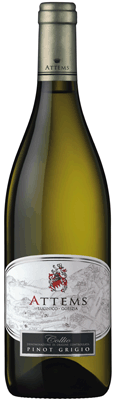
The Recommended Match: Attems 2010 Pinot Grigio, Friuli-Venezia Giulia IGT. This straw-colored Pinot Grigio focuses on the signature aromas of the region (Granny Smith apple, pear and wet stone), while the palate is medium-bodied with a sharp tang of acid, yet smooth and crisp in the finish like a precisely honed blade. The mouth-watering finish complements rich food — such as risotto aragosta, which can thankfully still be found on Cafe Parco’s menu.
Cafe Parco | 1807 42nd Ave. E., Seattle | (206) 328-4757
 S E A T T L E I T E