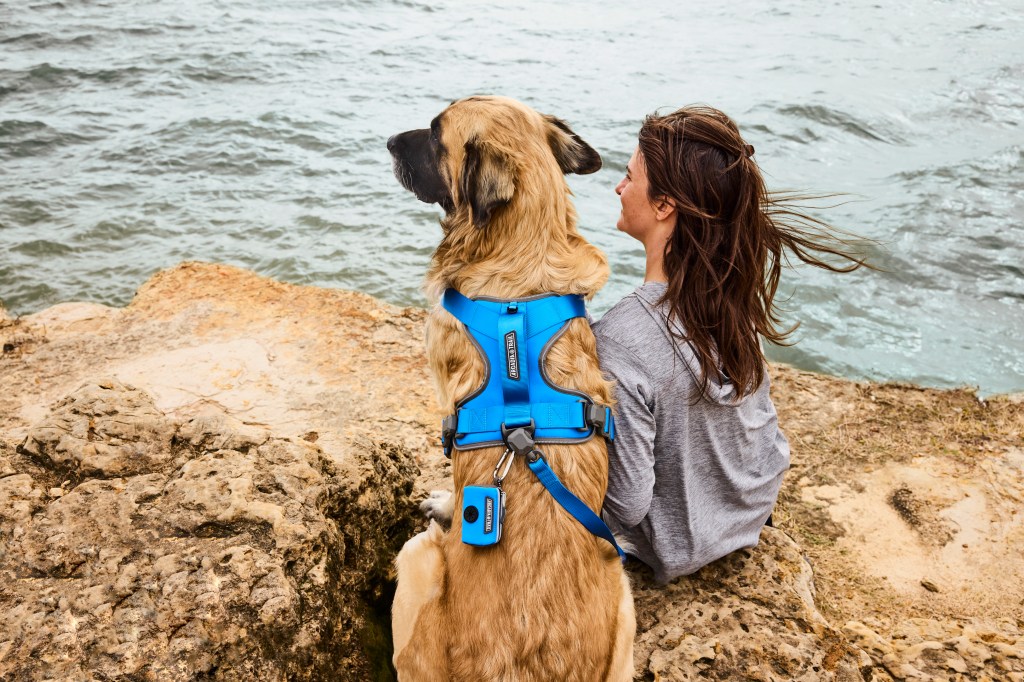
We love sharing summer adventures with our fur friends, so it felt like a good time to get a refresher on tips for keeping them safe and cool this season. Whether you’re enjoying the city’s off-leash dog parks and dog-friendly patios, or taking your pup on farther-flung journeys (like to dog-welcoming Whidbey Island, for example, and other spots around the PNW), we gathered advice from Dr. Jennifer Bruns, DVM, MPVM, PetSmart Veterinary Services.
In addition to her product suggestions, we wanted to share a few brands we’ve tested and enjoyed over the years including: DIGGS premium dog crates, 2Hounds collars and no-pull harnesses and Approved by Fritz, a stylish brand for when your dog needs toys or a chic bed to lounge around in. Of course we also can’t forget The Seattle Barkery, a favorite spot for fun summer treats!
And for Seattleites on the move, we just learned about the July opening of Noble Pet Resort near Sea-Tac, a 40,000-square-foot venue that combines personalized dog and cat care, 24/7 staffing, airport parking and shuttle service, too. Noble offers an alternative to traditional kennels; here dogs stay in private suites tailored to different sizes and needs that provide a comfortable, home-like retreat, while cats enjoy thoughtfully-designed private bungalows. The resort also has options from the Puppy Play Program to the Senior Comfort Program, plus expansive indoor and outdoor play areas with splash pools and other enrichment features.
*Reservations are available for stays beginning July 9, and tours are currently offered ahead of the opening. To celebrate, Noble Pet Resort will host an open house on Saturday, July 11, and Sunday, July 12, from noon-4 p.m. (RSVP here.)
On a separate note, just in time for the upcoming fireworks displays, JustFoodForDogs is giving away free Calm Supplements samples at some of their local kitchens through July 3.
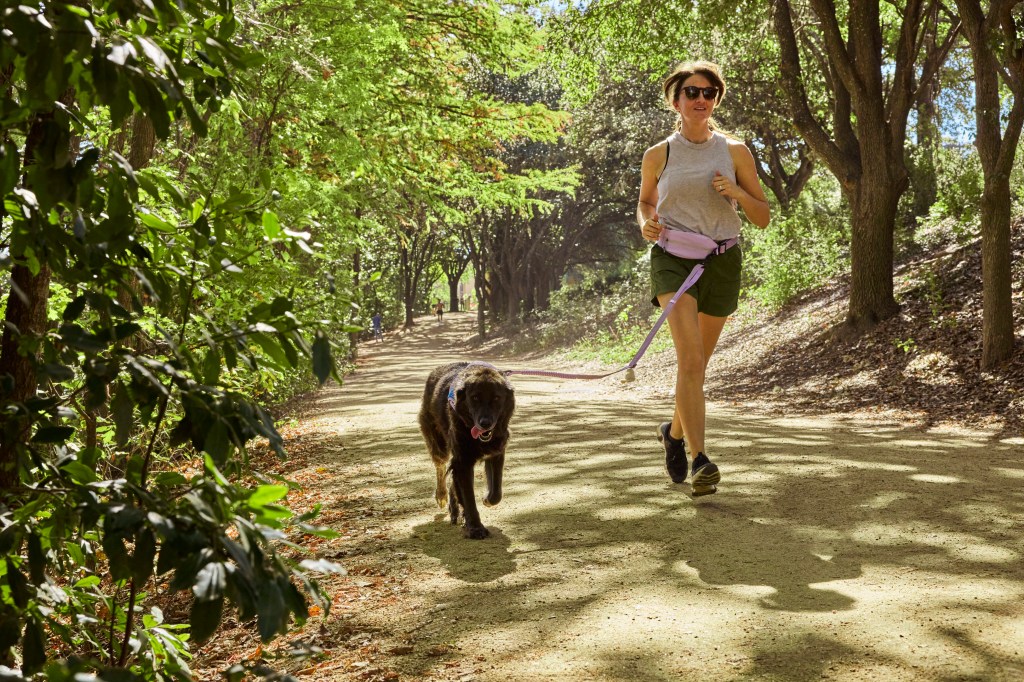
Here are some summer safety tips we gathered while chatting with Dr. Jennifer Bruns:
Seattleite: What tips can you give for spending time with your dog outside in warmer months?
Dr. Jennifer Bruns (DJB): When out and about, bring a pet-friendly water bottle or a collapsible bowl to keep your pet hydrated. While thoughtful, be cautious of public water bowls, as the water isn’t typically cleaned and shared by many pets. It’s also important that pets drink at a safe pace. In dogs, rapidly drinking large amounts of water can lead to bloat. Offer water in small amounts frequently to keep them hydrated and safe. It is recommended to wait to offer water before vigorous activity and after meals, particularly for deep-chested breeds which are at higher risk for bloat.
Opt for cooling products and treats like cooling vests, beds and splash pads to keep your pet cool on a sunny day. Frozen treats, doggy ice cream or ice cubes can also help your pet cool down.
Use pet-safe, specially formulated sunscreen on sensitive areas like the nose, ear tips and belly when outdoors. This is important especially for short-haired, light-coated or hairless breeds. Reapply every couple of hours when they’re outside. Remember, even overcast days can have high UV rays. Never use human sunscreen containing zinc oxide or PABA, which are toxic to dogs.
Protect paws from hot pavement or surfaces. The ground can become dangerously hot and burn your pet’s paws, so walk on grassy or shaded paths and opt for early morning or late evening walks when temperatures are cooler. Sidewalks and pavement are always hotter than the air temperature. If you cannot hold your hand on the surface of the ground, your dog will need to wear protective booties for added paw protection.
Limit activity to cooler times of day. Instead of spending the hottest time of day outdoors, prioritize outdoor playtime in the mornings or later in the evenings. Stay indoors during particularly hot days. If your dog must be outside, make sure they have plenty of shade and access to fresh water. Consider shallow kiddie pools with clean water to help them cool off.
Watch for signs of distress. Symptoms of heatstroke include excessive panting, difficulty breathing, weakness, confusion, vomiting, bloody diarrhea, seizures or collapse. If your pet shows any of these signs, immediately move them to a cooler area, spray them with cool water and apply cool (not cold) water-soaked towels to their head, neck, feet, chest and abdomen. Seek emergency veterinary care, as heatstroke complications can be fatal and may not appear until hours or days later.
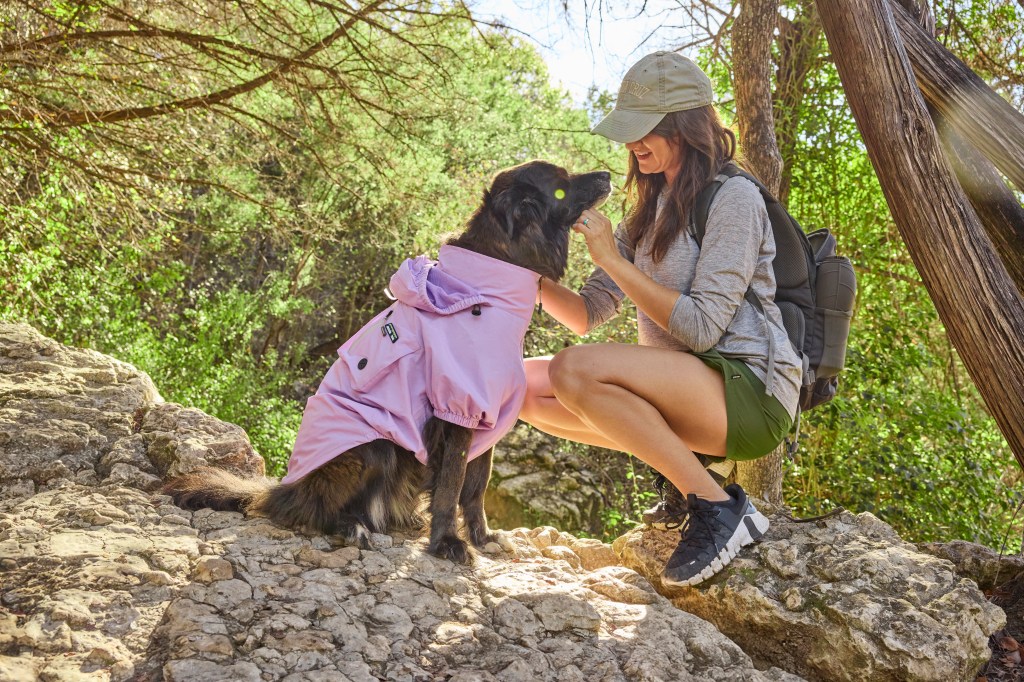
S: How can we protect our dogs from ticks in the summer, especially in wooded areas where they may be present?
DJB: The best defense is early, consistent prevention. If your pets aren’t currently on flea and tick treatments, get started on them now and maintain a consistent product application schedule, from spring through fall.
Don’t forget to regularly check pets for ticks, especially after outdoor activities like hiking. To help minimize exposure while you’re out, stay in the center of trails to avoid tall grass or overhanging vegetation as these can be black-legged tick hot spots. You can also use a tick collar, in addition to flea and tick treatments.
While these preventative steps can help keep pets healthy during the warmer months, some symptoms require professional attention. If you notice excessive itching, persistent redness, rashes or changes in your pet’s behavior, it’s important to consult your veterinarian for proper evaluation and care.
S: Do you have any advice for being near/on the water with your pup?
DJB: Remember not all dogs are natural swimmers, so ensure your pet wears a life jacket or flotation aid, especially when far from shore. Even if your pet is a strong swimmer in a pool, open water presents additional challenges like tides/currents, unfamiliar environments, and limited access to land. A flotation aid provides an extra layer of safety for you and your pet.
Pools, oceans, rivers, etc. can contain chlorine, dirt and salt, which can dry out pet skin, and algae, which can be fatal to dogs. Be sure to dry their ears too to help prevent infection. When in doubt, keep your dog out, and always rinse them off with clean water after any water activity to remove algae, bacteria and debris before they lick it off their coat.
Practice pool safety. Show your dog how to use pool stairs, and practice entering and exiting the pool together until your dog understands how to get out if they accidentally fall in.
S: Are there any other potential hazards we should be aware of when spending time outdoors in summer months?
DJB: Avoid overexertion and dog bloat by waiting 30 minutes to an hour after vigorous exercise before feeding your dog. Similarly, after eating, wait at least an hour before engaging in strenuous activity to reduce the risk of the stomach filling with gas and twisting.
Be aware of toxic garden plants. Common garden plants like foxglove, rhododendrons, azaleas, garlic, onions and unripe tomatoes can be dangerous if ingested by pets. Symptoms of plant poisoning can range from mild stomach upset to severe reactions like vomiting, diarrhea, drooling or even organ failure.
Keep an eye out for Yellowjacket activity. Keep pets away from nests, especially when they’re more active during the summer. Yellowjackets are known to be territorial and can sting multiple times. If your pet gets stung, clean the area with cool water, and monitor for allergic reactions that would require veterinary care.
If you’re hitting the road this summer, get your pet comfortable with car travel. Before any long drive, take short trips and gradually increase travel time. Never feed your pet directly before hitting the road and plan for frequent stops to stretch legs, go to the bathroom and rehydrate. Always make sure pets are secure in a well-ventilated carrier, travel crate or seat belt. Never place a pet in the bed of a truck or let them stick their heads out of open windows to avoid the risk of injury from flying debris or sudden stops. Never leave pets alone in parked cars—even brief stops in parked cars can be fatal within minutes as the interior temps climb 20°F in 10 minutes even with windows cracked.
Stay on top of vaccinations. Check with your vet to make sure your dog is up to date on important vaccines that protect them when outside, including rabies, parvo, leptospirosis and Lyme, which is transmitted by ticks.
Happy adventuring!

